
Shadow gap for stretch ceilings
With a shadow gap profile, the stretch ceiling ends at the wall in an open, even gap with no insert. The INVISIA range is made for harpoon PVC membranes and comes in two gap widths. A 5 mm gap comes from X201 on the wall, the reinforced X202 for large rooms and X208 fixed to the structural ceiling. A 7.7 mm gap comes from X205 with hidden fixing, its ceiling partner X206, the dividing profile X204 and X209 for stairwells and roof windows. X207 is a linear slot diffuser that uses the gap for ventilation. The LED version is the FLOATIA range.
Popular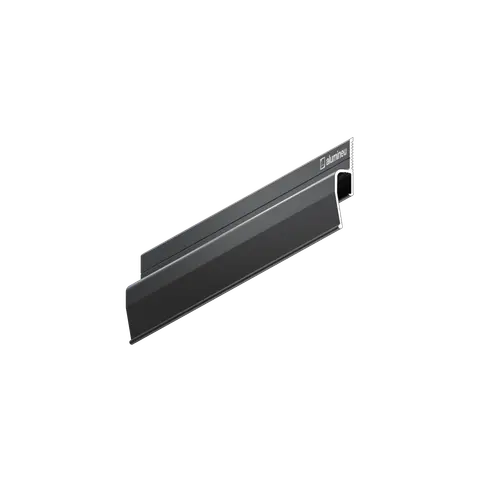
INVISIA X201
2.70 EUR
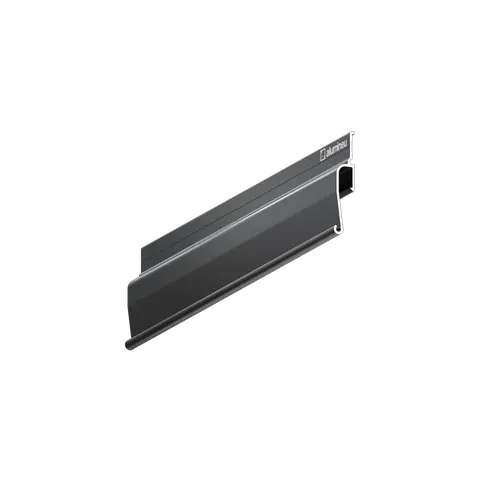
INVISIA X202
2.59 EUR
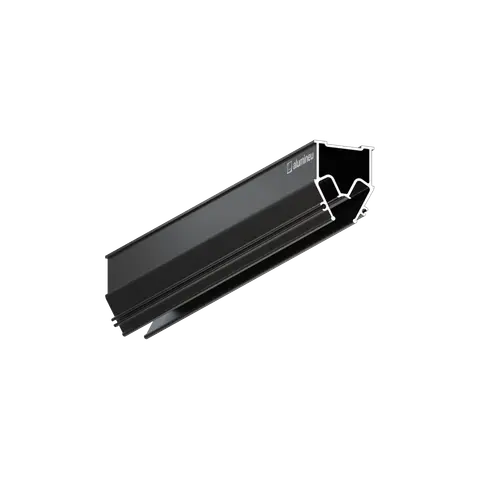
INVISIA X204
4.15 EUR
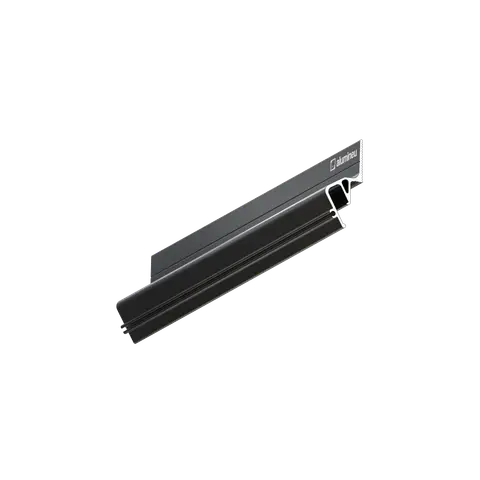
INVISIA X205
3.11 EUR
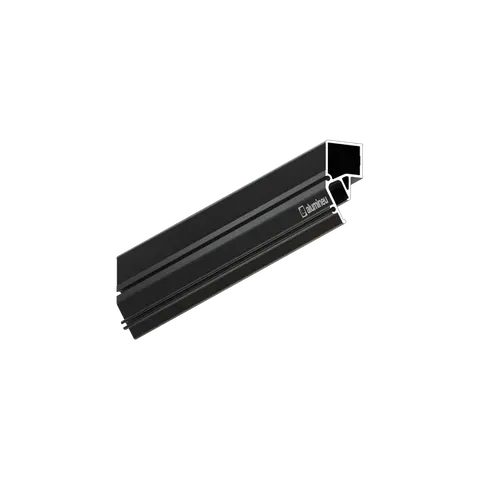
INVISIA X206
4.15 EUR
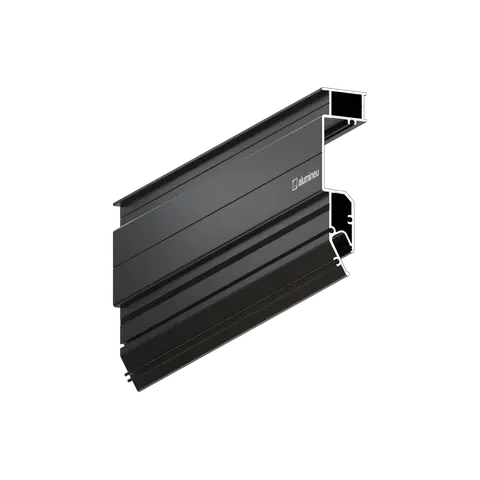
INVISIA X207
6.23 EUR
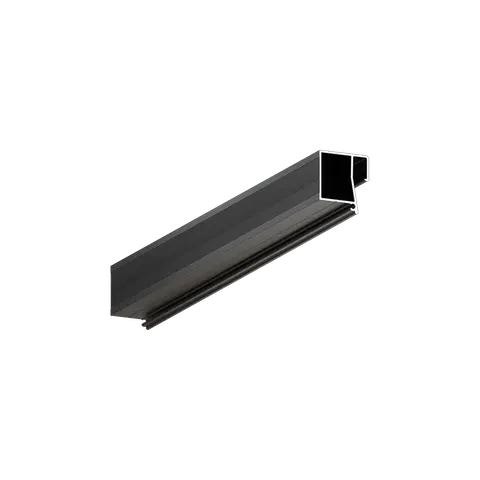
INVISIA X208
3.11 EUR
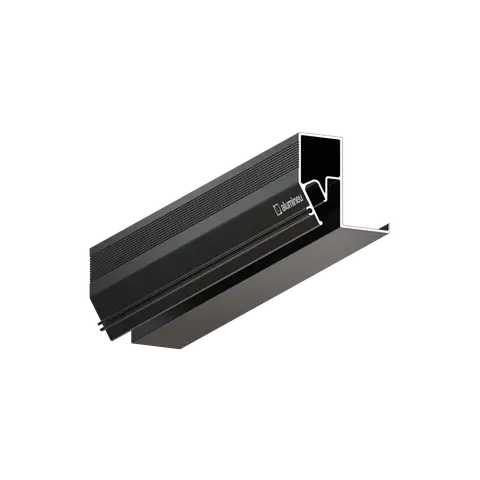
INVISIA X209
6.23 EUR
Frequently asked questions
What is a shadow gap in a stretch ceiling?
A narrow open gap between the wall and the stretch ceiling. It replaces the insert that usually covers the joint. It is not a drywall shadow gap bead.
5 mm or 7.7 mm gap?
5 mm gives a fine line and the membrane goes straight in with the harpoon (X201, X202, X208). 7.7 mm is deeper, and with X205 the membrane fixing stays fully hidden.